

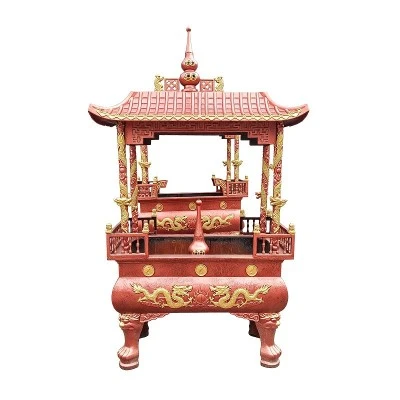
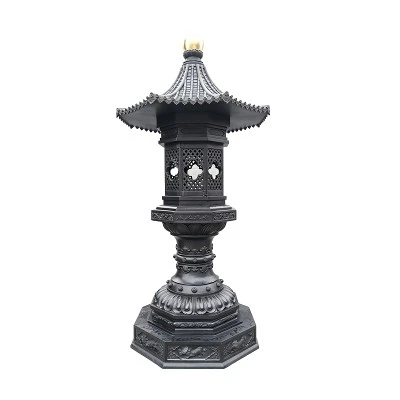
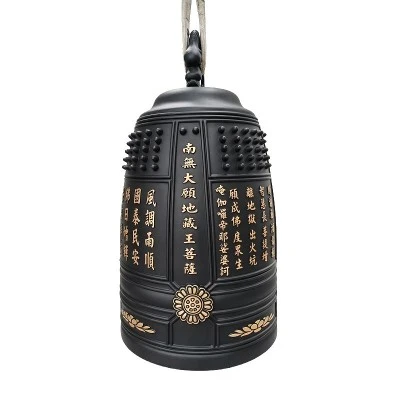
Bronze incense burners hold collectible value, which is determined by four key factors: form, craftsmanship, patina, and material. These are detailed below:
Form: The shapes of bronze burners from different eras follow specific stylistic conventions. Burners that are well-proportioned, elegant yet archaic in style, and possess a graceful silhouette-while remaining intact and free from damage or defects-are particularly prized by collectors. For instance, the Xuande burner of the Ming Dynasty is renowned for its exquisite form and unique style, making it a highly sought-after item.
Craftsmanship: Craftsmanship plays a decisive role in a burner's value. Collectors value pieces characterized by fluid lines, skillful carving, intricate ornamentation, and superior casting-specifically those free from casting flaws such as pinholes, metal runs, or incomplete pours, and featuring neatly executed inscriptions or maker's marks. Burners created using the lost-wax casting method, for example, often exhibit exceptional craftsmanship and meticulous detail, lending them significant artistic value.
Patina: Over long periods of use and preservation, antique objects develop a natural surface layer known as patina. Burners with a rich, lustrous, and jade-like sheen-featuring a patina that is natural, substantial, and evenly distributed-are highly valued. The formation of such a patina takes a long time and serves as a testament to the object's historical significance.
Material: Burners made from high-purity copper and possessing a substantial weight generally indicate superior quality and higher collectible value. Premium copper not only enhances the burner's durability but also elevates its overall aesthetic appeal and tactile quality.