

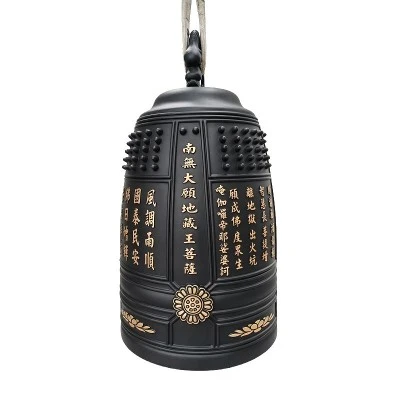
Here are some tips for distinguishing between antique and modern copper incense burners:
Examine the Material
- Copper Composition: Antique copper incense burners are typically made of bronze, red copper, or brass. Due to age, oxidation, and use, they possess an archaic texture; the presence of impurities often results in natural patina and *baojiang* (the lustrous sheen developed over time). Modern burners are made of purer copper; they appear overly shiny and new, lacking signs of use or natural oxidation layers.
- Weight: Due to their age and craftsmanship, antique burners are relatively heavy and feel substantial in the hand, with well-balanced proportions. Modern reproductions may be either too light or too heavy, depending on the manufacturing process and materials used.

Observe the Craftsmanship
- Casting Technique: Ancient burners were made using methods like lost-wax casting or sand casting. Their surfaces show natural casting marks-such as casting textures or tiny sand holes-and feature fluid, natural lines that exude an antique charm. Modern reproductions use contemporary techniques; their surfaces are often too smooth, with overly uniform or stiff textures, and pattern details may appear blurred or indistinct.
- Markings/Inscriptions: The calligraphy on antique burner markings is natural and fluid, possessing artistic character, with natural variations in carving depth and pressure. In contrast, markings on modern reproductions may look stiff, with uneven stroke thickness and crude carving quality.
Inspect the Patina and Rust
- Patina (*Baojiang*): Antique burners feature a natural, uniform patina with a rich color palette-including black, brown, and green tones-that is tightly bonded to the metal, creating a sense of depth and a warm, soft luster. The patina on modern reproductions is artificially created; the color is often monotonous and sits superficially on the surface, potentially fading if wiped with chemical agents.
- Rust/Verdigris: On antique burners, the rust penetrates deep into the metal; it is hard in texture, naturally distributed, and does not easily flake off. Rust on modern reproductions is often chemically induced; the layer is loose, the color looks unnatural, and it can be easily scraped off.
Consider the Shape and Style
- Shape: Incense burners from different eras have distinct shapes. For example, the Ming Dynasty Xuande burner is characterized by a neat, minimalist form, whereas Qing Dynasty burners display diverse shapes with a greater emphasis on ornamentation. The form of an antique bronze incense burner reflects the aesthetic standards and craftsmanship of its era, featuring fluid, graceful lines. Modern reproductions, by contrast, may suffer from poor proportions and differ noticeably from authentic pieces.
- Style: Antique bronze incense burners embody the stylistic characteristics of their time, exuding an air of rustic simplicity and elegance. Modern reproductions often lack this quality, appearing overly modern or garish.
Listening to the Sound
- Authentic pieces: When gently tapped, an antique bronze incense burner produces a crisp, melodious sound with a lingering resonance. This is due to the specific acoustic properties resulting from the bronze's long-term oxidation and natural aging.
- Reproductions: The sound may be excessively sharp and piercing, or conversely, dull. An overly sharp sound often indicates the use of new bronze, while a dull sound may suggest impure material or internal structural defects.