

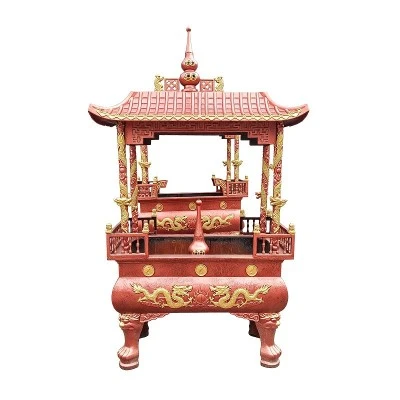
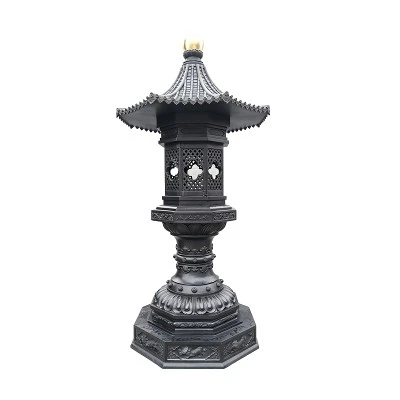
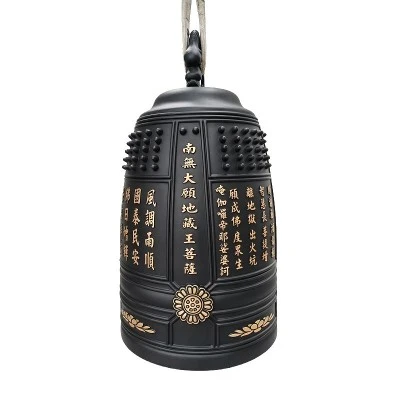
As a traditional vessel, the iron incense burner serves a variety of common purposes in people's lives and culture.
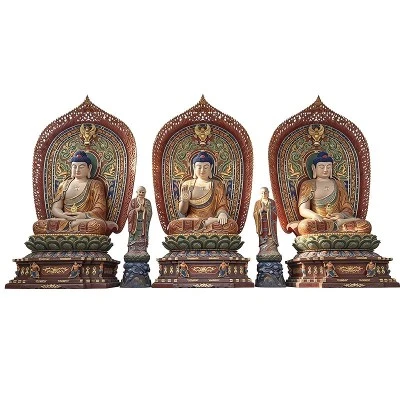
Iron incense burners play a vital role in religious rituals and sacrificial ceremonies. They are indispensable fixtures in Buddhist temples, Taoist shrines, and folk ancestral halls alike. During Buddhist ceremonies, devotees reverently place lit incense sticks into the burner; the curling wisps of smoke symbolize their devotion to the Buddha and their heartfelt prayers. In this context, the burner acts as a medium connecting the mortal realm with the divine, embodying the spiritual aspirations of the faithful. Similarly, in Taoist rituals, the iron incense burner is a crucial tool for making offerings and conveying intentions to the deities; Taoist priests burn incense and offer prayers to seek divine protection, blessings, and the warding off of misfortune. In folk ancestral worship, descendants burn incense in these vessels to honor their forebears, express gratitude for their legacy, and perpetuate the family lineage and culture.
Iron incense burners also serve unique functions in traditional Chinese courtyards and landscape gardens. They are frequently placed in pavilions or along winding, secluded paths as decorative elements. With their rustic yet elegant forms, these burners harmonize beautifully with the surrounding rockeries, water features, and flora, enhancing the landscape's cultural charm and sense of antiquity. Some burners feature exquisite craftsmanship, adorned with intricate carvings-such as auspicious clouds or galloping mythical beasts-that offer both aesthetic beauty and symbolic meaning. As sunlight filters down, the shifting play of light and shadow cast by the burner creates a poetic scene, evoking a sense of profound tranquility and timelessness.
In the refined gatherings of traditional literati, the iron incense burner was a key element in setting the atmosphere. Ancient scholars and artists delighted in burning incense and sipping tea while composing poetry or creating paintings during these social occasions. The curling wisps of smoke rising from the iron incense burner release a delicate fragrance that soothes the emotions and fosters a sense of inner peace and tranquility. This serene atmosphere helps spark creative inspiration among scholars and literati; amidst the mingling aromas of tea and incense, they wield their brushes to compose exquisite poetry and create fine works of calligraphy and painting. In such refined gatherings, the iron incense burner stands as a witness to cultural exchange and artistic creation; its fragrance acts as an invisible bond, closely connecting the sentiments and thoughts of the cultured participants.
Furthermore, the iron incense burner plays a unique role in certain traditional folk customs. For instance, during traditional festival celebrations in some regions, people carry the burner in processions to pray for favorable weather and abundant harvests. In this context, the iron incense burner takes on sacred significance, embodying the people's aspirations and pursuit of a better life. Similarly, in rural *Shehuo* (traditional folk performance) events, the burner is placed at the center of the performance area; serving as a key element of the spectacle, it adds an air of solemnity and mystery to the lively festivities.
In the realm of traditional Chinese medicine, the iron incense burner also serves an auxiliary function. Certain medicinal herbs require specialized preparation methods, including fumigation using an iron incense burner. By heating specific herbs within the burner to release their active ingredients, the device aids in treating ailments or improving physical health. This traditional therapeutic practice leverages the properties of the iron incense burner to safeguard people's well-being.
With its common and significant roles spanning religious rituals, landscape decoration, cultural gatherings, folk customs, and traditional Chinese medicine, the iron incense burner embodies rich cultural significance and deep emotional resonance-truly a shining gem of traditional culture.